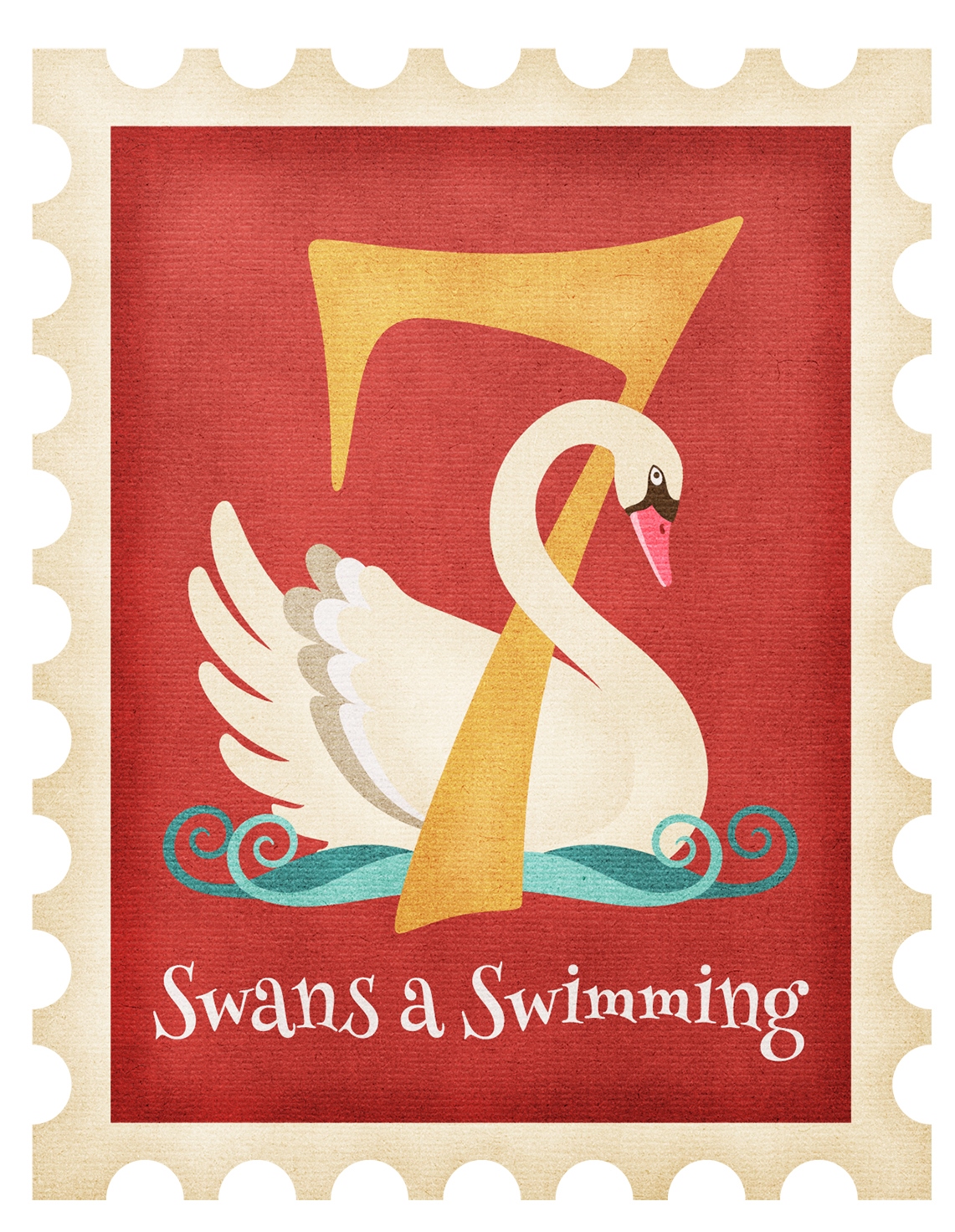
Reposted from Dec. 20, 2014: Seven Swans A-Swimming
By Debra Knapke
We have all grown up knowing the story of the ugly duckling in some form. Hans Christian Andersen allegedly stated that this tale came out of his own life because he was the different child, “a tall, ugly boy with a big nose and big feet” (1) who matured into an accomplished singer and storyteller.
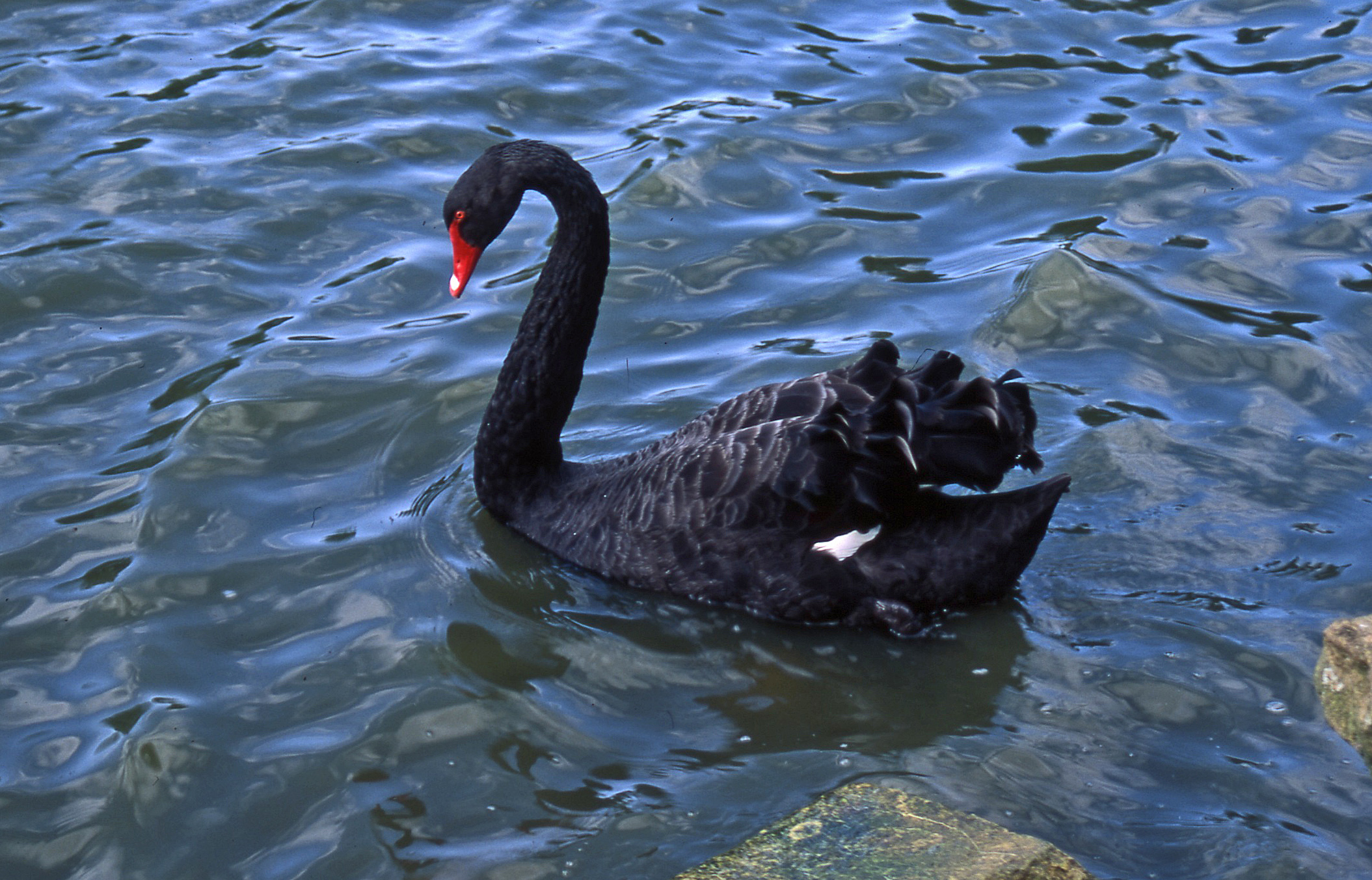
There are other tales that feature one or more swans. The swan is used as a symbol of transformation, of understanding oneself and finding balance, and of having grace and inner beauty. And like the many other birds, pairs often form life bonds.
In real life, take care when you approach a swan. That gliding beauty may grace you with her presence, but she may just as easily attack, especially if she has young. A 30-pound flying bird with a six- to eleven-foot wingspan is not an animal to be messed with.
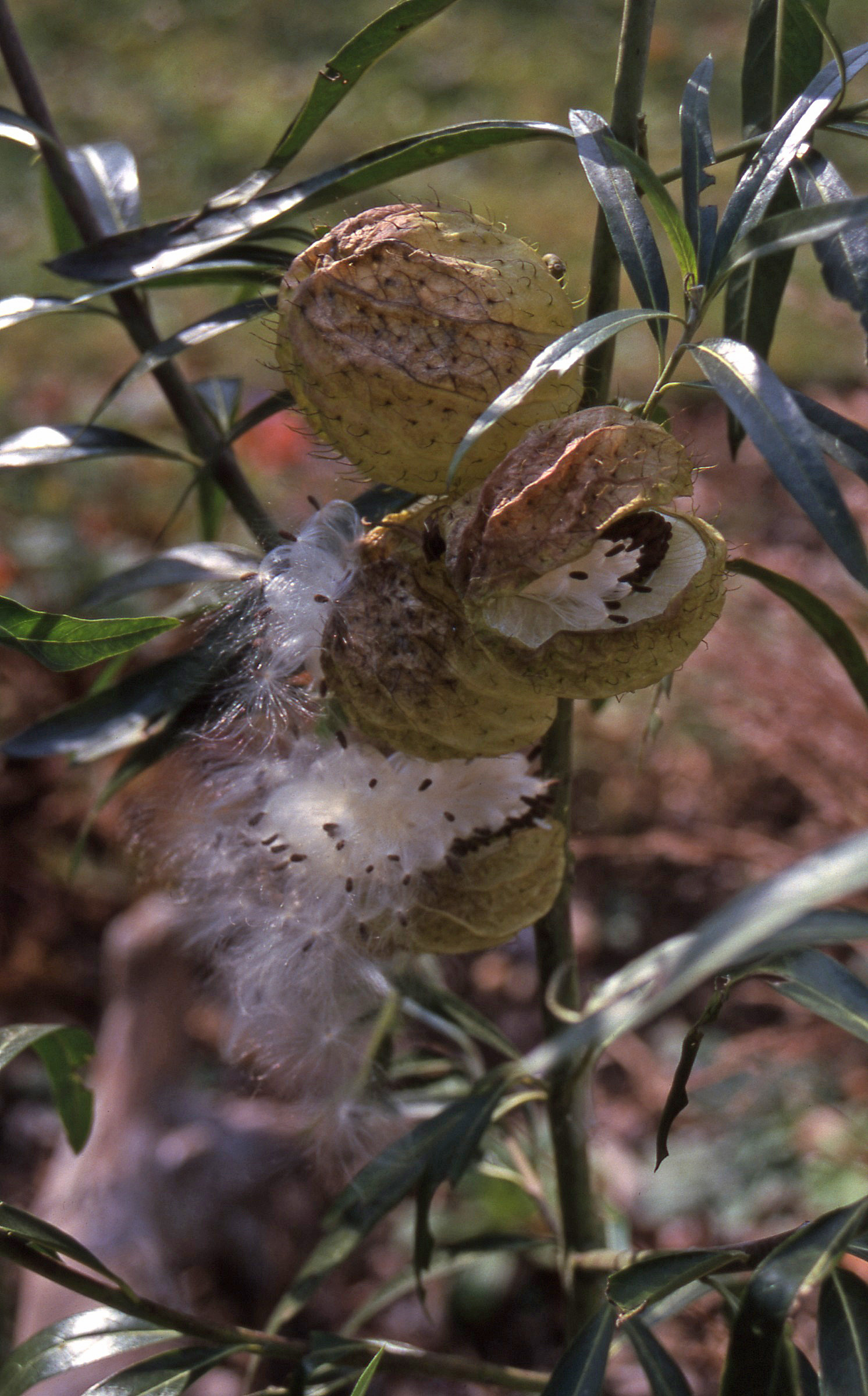
Swanplant (Asclepias physocarpa)
A different swan ornaments our gardens. The swanplant, a tender shrub, is a species of milkweed from South Africa. Its balloon-like seedpod is attached to the stem by a curved pedicel that mimics the graceful neck of a swan. It is difficult to see in the below picture, so you will just have to start it from seed next spring to see it. Sources for swanplant are limited. One source is joyfulbutterfly.com.
‘May you cultivate inner beauty and find balance this season and in the new year
1 – stated by British journalist Anne Chisholm (2005) in her review of Hans Christian Andersen: A New Life by biographer Jens Andersen, published in the US in 2006.
Reposted from Dec. 19, 2014: Get Your Goose — But in a Humane Way
By Michael Leach
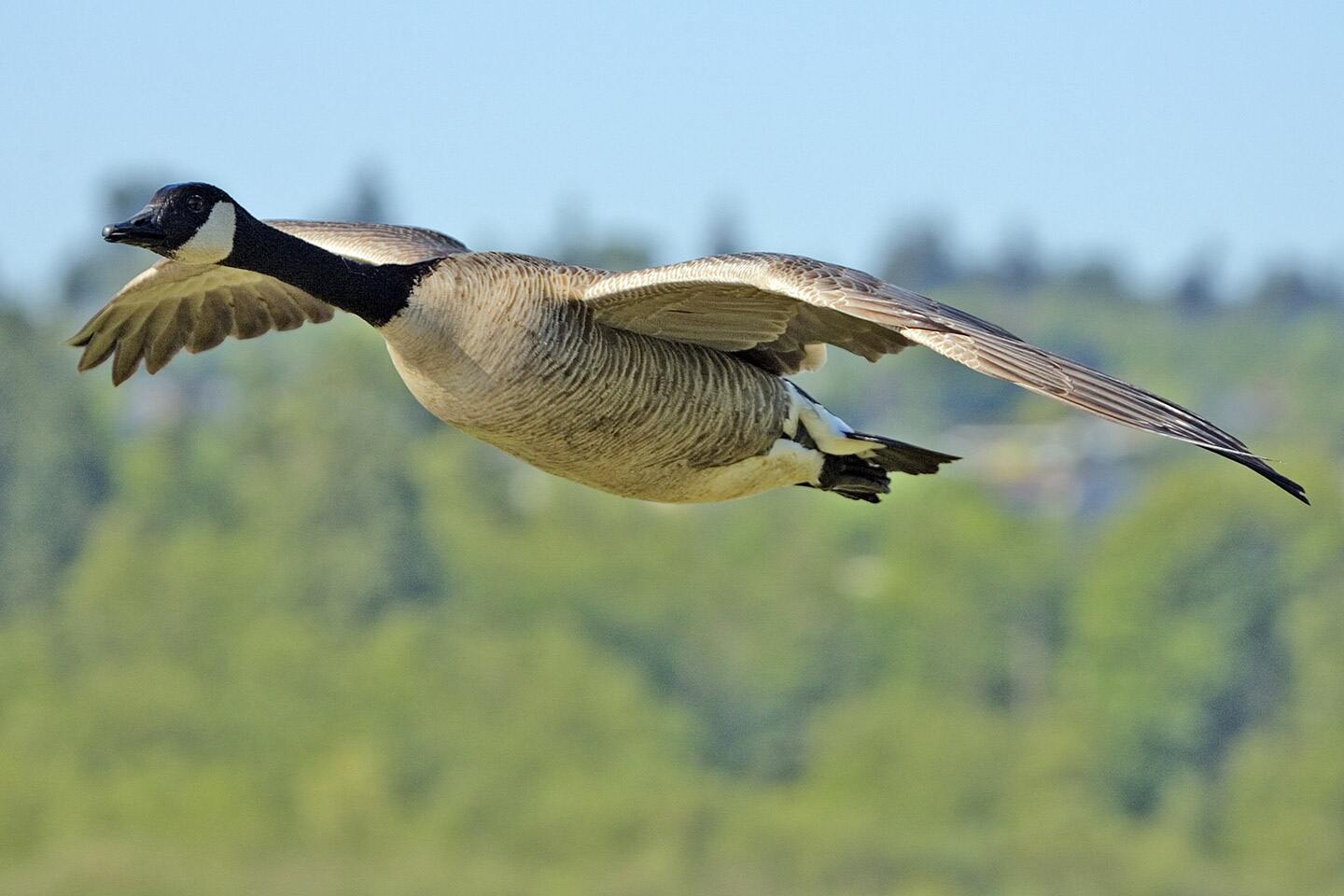
Six geese a laying — preferably in someone else’s yard. Wildlife-friendly gardens offer many pluses. But as the word wildlife suggests, nature’s creatures can be anything but cuddly cartoon characters. Fraternity toga parties have nothing on squirrels raiding the bird feeder. And don’t get us started on deer — despite their vital role in at least one Christmas tradition.
Pull up the welcome mat — A bit of landscape planning will cook the geese’s garden party. That’s one part of a three-pronged approach to dissuade geese recommended by the Humane Society of the United States.
Landscape changes include: limiting the amount of lawn, which is a favorite food; adding clumps of taller plantings to provide predator hiding places; maintaining stands of trees between water and grass to prevent geese from flying through; and using dense plantings along shorelines as a barrier between food and water.
Addling eggs (there’s a training manual for the proper approach) and humanely scaring the geese are the two other parts of the plan.
Find more help — Visit the Humane Society, where you’ll also find tips for managing Santa’s helpers and those raucous squirrels.
Repost from Dec. 16, 2014:Golden Conifers Brighten the Winter Landscape
By Teresa Woodard
Gold — the color of extravagance – is a rich addition to the garden, and golden conifers are the perfect choice for this season. Plant them as shining beacons in a winter-gray landscape, and enjoy their clipped boughs in holiday container arrangements. During the growing season, use them as accents to dark green corners of the backyard or intermix them with complimentary-colored purple grasses and flowers.
Here are five gold ringers:
Golden Korean Fir (Abies koreana ‘Aurea’) – This dwarf conifer is best known for its golden foliage and purple cones.
Dwarf Golden Japanese Yew (Taxus cuspidata ‘Nana Aurescens’) – This low-growing Japanese yew features contrasting new, golden foliage against more mature, dark green foliage.
Hinoki False Cypress (Chamaecyparis obtusa ‘Nana Aurea’) –This dwarf conifer stands out with its fan-like, golden sprays.
Canadian Gold Arborvitae (Thuja plicata ‘Canadian Gold’) – This dense, conical-shaped conifer makes a beautiful hedge with its bright gold foliage.
Skylands Oriental Spruce (Picea orientalis ‘Skylands’) – This large, upright spruce features small glossy needles that emerge electric yellow and gradually soften to a rich gold.
Have you ever wondered what bird is making that caw, screech, cuckoo or who-cooks-for-you sound? Well, celebrate the Fourth Day of Christmas by downloading one of the latest birding apps. A Heartland Gardening favorite is Merlin by Cornell Lab of Ornithology. Simply answer five questions and the app will come with a list of possible matches. From here, you can further explore thousands of audio files and images. For beginning birders, the lab offers these tips.
Watch and listen. When you see a bird singing, the connection between bird and song tends to stick in your mind.
Learn from an expert. It’s much harder to learn bird songs from scratch than to have a fellow bird watcher point them out to you. Check for a local Audubon chapter and join a field trip.
Listen to recordings. Start by listening to recording of birds you see often. Play them frequently to make the sounds stick.
Say it to yourself. Some songs sound like words like the Barred Owl’s “Who cooks for you?” These mnemonics can make a song easier to remember.
Details, details, details. Break the song apart into its different qualities, including rhythm, pitch, tone and repetition. For more info, see the Lab or Ornithology.
Join other volunteers in the National Audubon Society’s Christmas Bird Count, Dec. 14 – Jan. 5.
Repost from Dec. 14, 2014: Landscape Trend Foretold in Song Lyric
By Michael Leach
Partridges have gone the way of powdered wigs, but producing fruit is uber trendy. From potted herbs on windowsills to towering nut trees in the backyard, edible landscaping is in.
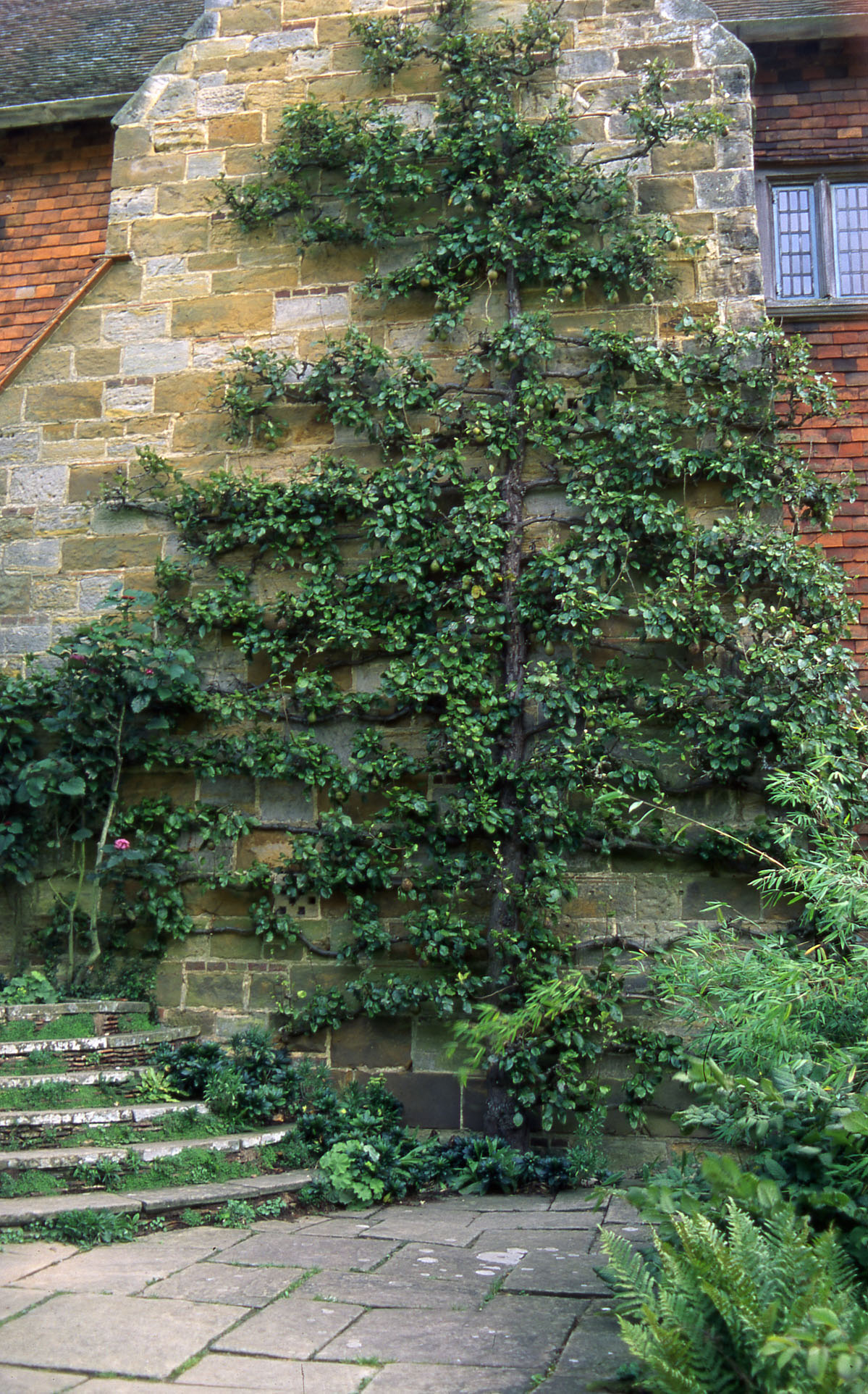
Fruit-bearing plants do double duty. They produce some food, while filling some landscape roles of strictly ornamental plants. Think of strawberries for ground covers, espaliered fruit trees for screens and fences, berries for informal hedges and dwarf fruit trees for accent plants. Almost all can adapt to container growing.
Reduce labor — Because picture-perfect produce takes much work, shorten your to-do list by selecting plants that are resistant or immune to common diseases and pests.